Burn & Scald Treatment
Immediate first aid for thermal burns, scalds, and chemical burns.
Immediate first aid for thermal burns, scalds, and chemical burns.
Call 911/112 for burns that are larger than the person's palm, affect the face/hands/feet/genitals, are deep (white or charred), or are caused by chemicals or electricity.
Remove the person from the heat source. Remove clothing and jewelry near the burn (unless stuck to the skin). For chemical burns, brush off dry chemicals first, then rinse.
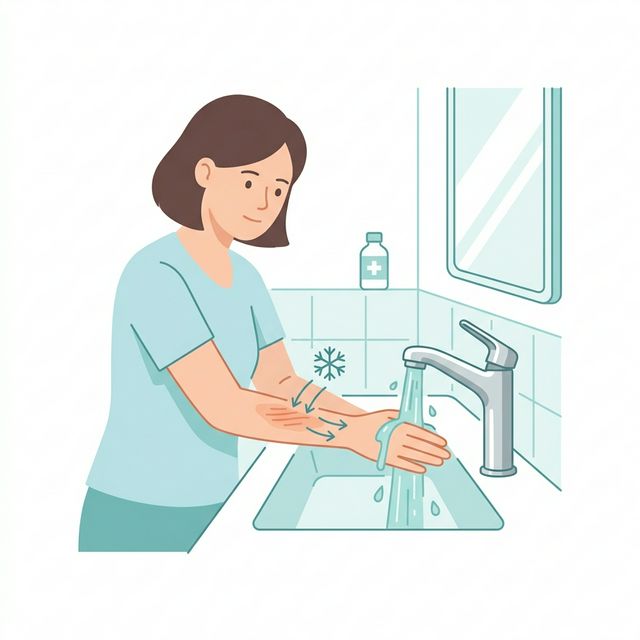
Hold the burned area under cool (not cold) running water for at least 20 minutes. This is the single most important first aid step for burns.
After cooling, cover the burn loosely with a sterile non-stick bandage or clean cling wrap. This protects the wound from infection.
Take over-the-counter pain relief (ibuprofen or paracetamol). Keep the burned area elevated if possible to reduce swelling.
For large burns, watch for pale skin, weakness, rapid heartbeat, or shallow breathing. Keep the person warm and elevate their legs.