Fracture — Broken Bone First Aid
How to immobilize and treat a suspected bone fracture before medical help arrives.
How to immobilize and treat a suspected bone fracture before medical help arrives.
Moving a fractured bone can cause further injury, damage nerves or blood vessels. Immobilize the area and call for help. For spinal injuries, do NOT move the person at all.
Intense pain, swelling, deformity, bruising, inability to move the limb, or grinding sensation. The person may have heard a snap or crack.
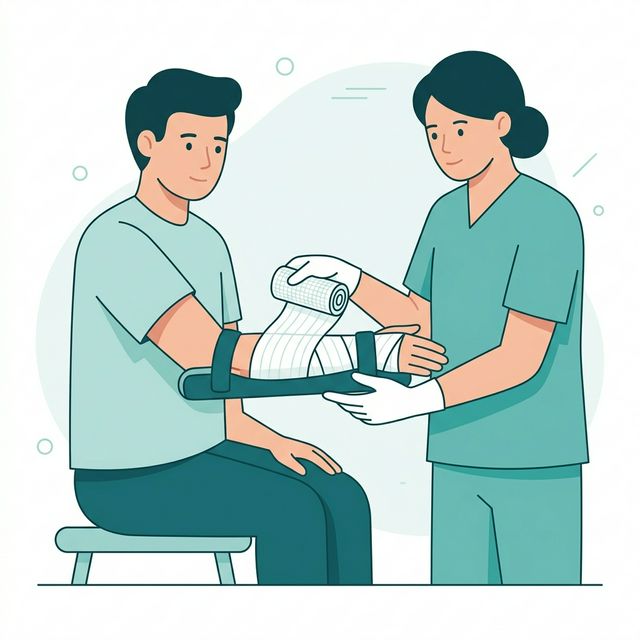
Keep the injured limb as still as possible. Use a makeshift splint (rolled newspaper, stick, cardboard) padded with cloth. Splint the joint above and below the fracture.
Apply an ice pack wrapped in cloth to the area for 15–20 minutes to reduce swelling. Never apply ice directly to skin.
If bone is visible or the skin is broken, cover the wound with a sterile bandage. Apply gentle pressure around (not on) the wound. Do not try to push the bone back in.
Keep the person warm, still, and comfortable. Elevate the legs if possible (unless the leg is fractured). Monitor their breathing.