Snake Bite — Venom Response
Proper first aid for snake bites to slow venom spread and prevent complications.
Proper first aid for snake bites to slow venom spread and prevent complications.
Call 911/112 or get to the nearest emergency room immediately. Antivenin treatment must be given within hours. Try to remember the snake's color, shape, and size — but do NOT try to catch or kill it.
Get the person (and yourself) away from the snake safely. Snakes can strike again. Do not try to handle or kill the snake.
Movement increases blood flow and spreads venom faster. Have the person lie down and keep the bitten limb as still as possible, ideally at or below heart level.
Remove rings, watches, bracelets, and tight clothing near the bite site before swelling begins.
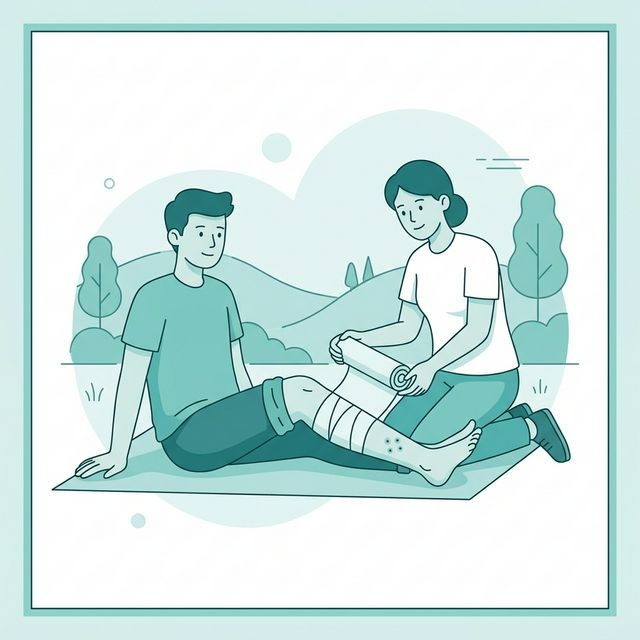
Clean the bite with soap and water if available. Cover with a clean, dry bandage. Do not apply ice or a tourniquet.
Use a pen to mark the edge of swelling and note the time. This helps doctors track venom progression. Re-mark if swelling spreads.
Transport the person to the nearest emergency room as quickly as possible. Carry them if possible — they should not walk.